
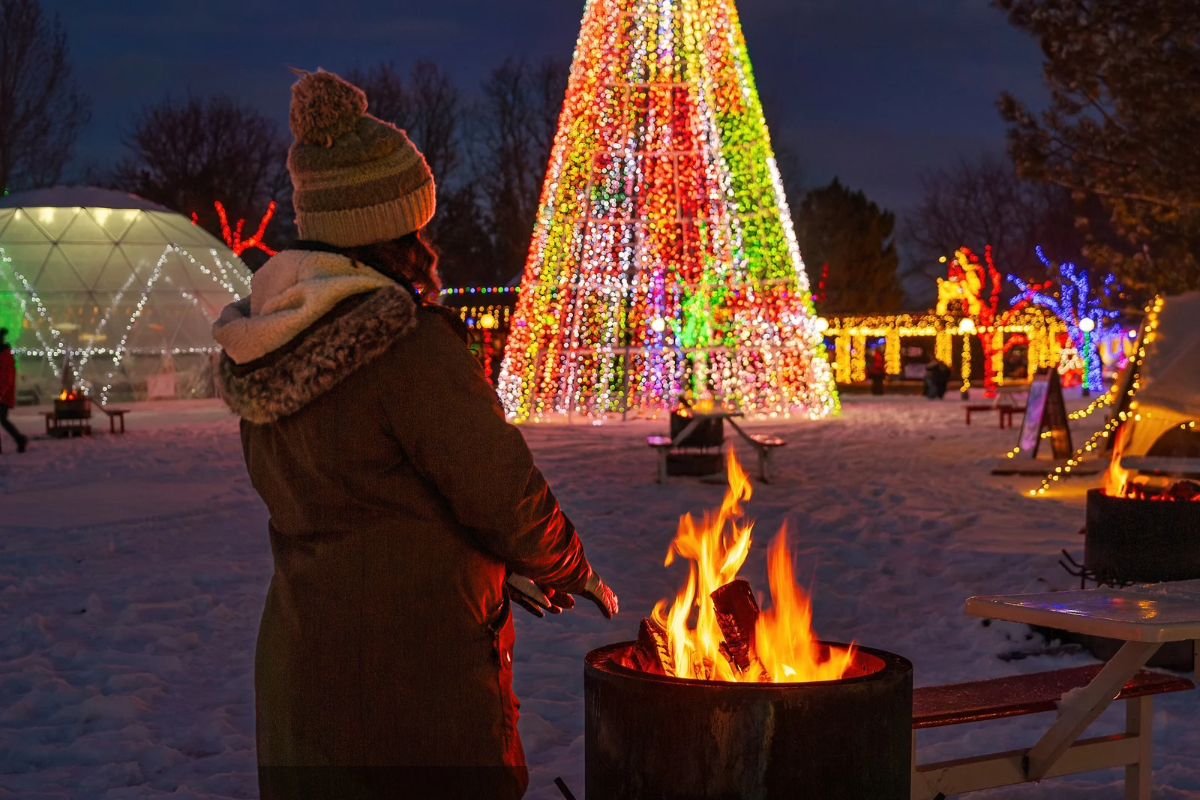
Picture this: millions of twinkling holiday lights, a packed arena buzzing with rodeo action, a downtown stroll past festive storefronts, and holiday favorites taking the stage. November and December in Billings bring together the grand, the cozy, and the unmistakably Montana.
Whether you’re in the mood for classic holiday festivities or arena-sized entertainment, here are some highlights to put on your calendar.
If your holiday wish list includes festive markets, glowing lights, and memories the whole family will cherish, look no further. Billings has everything you need to soak up the season.
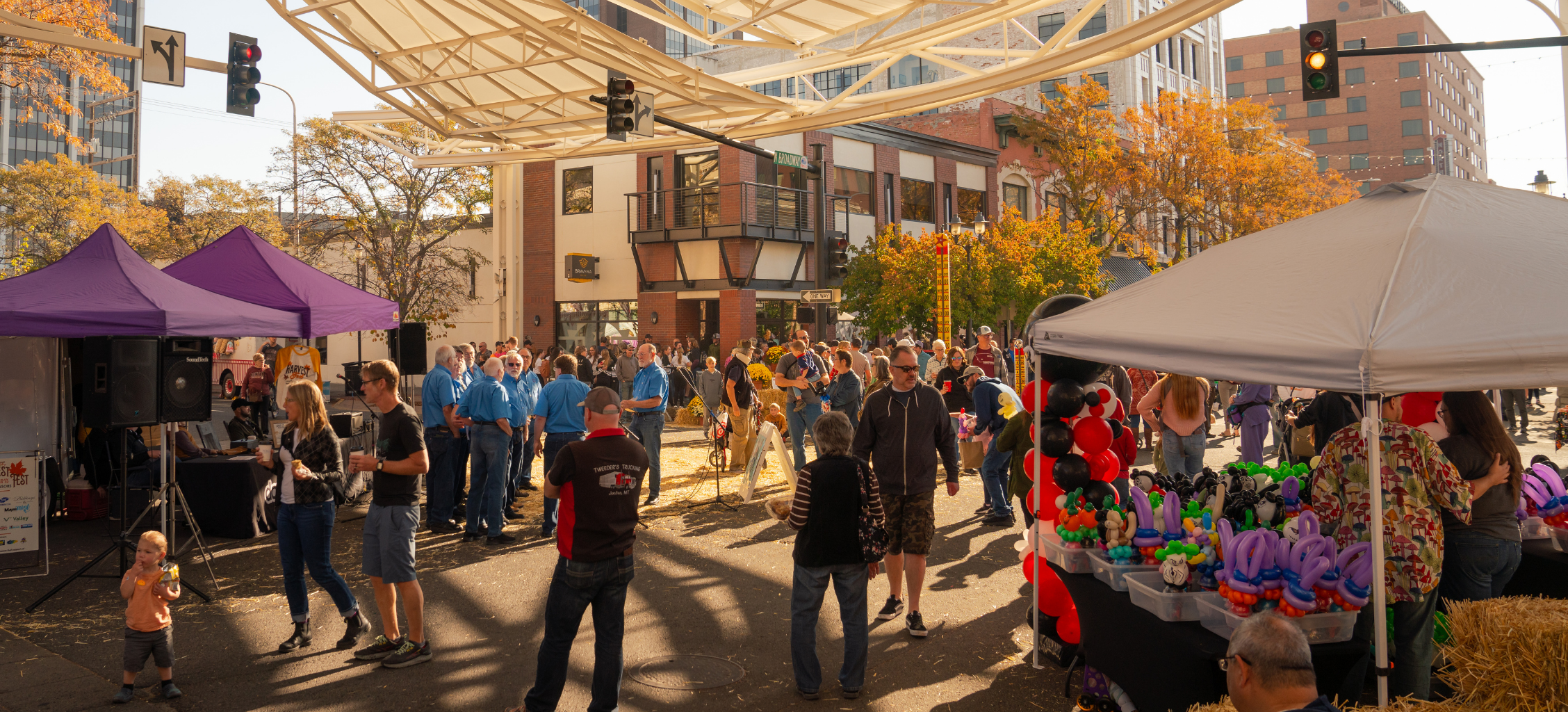
Holiday Food & Gift Festival | Nov 14 -15 – Kick off your holiday shopping with more than 200 vendors offering handmade gifts, seasonal treats, and unique finds at Billings’ largest holiday market.
Holiday Parade | Nov 27 – Bundle up for the Annual Holiday Parade in Downtown Billings, featuring more than 70 festive floats and a grand finale appearance by Santa Claus himself.
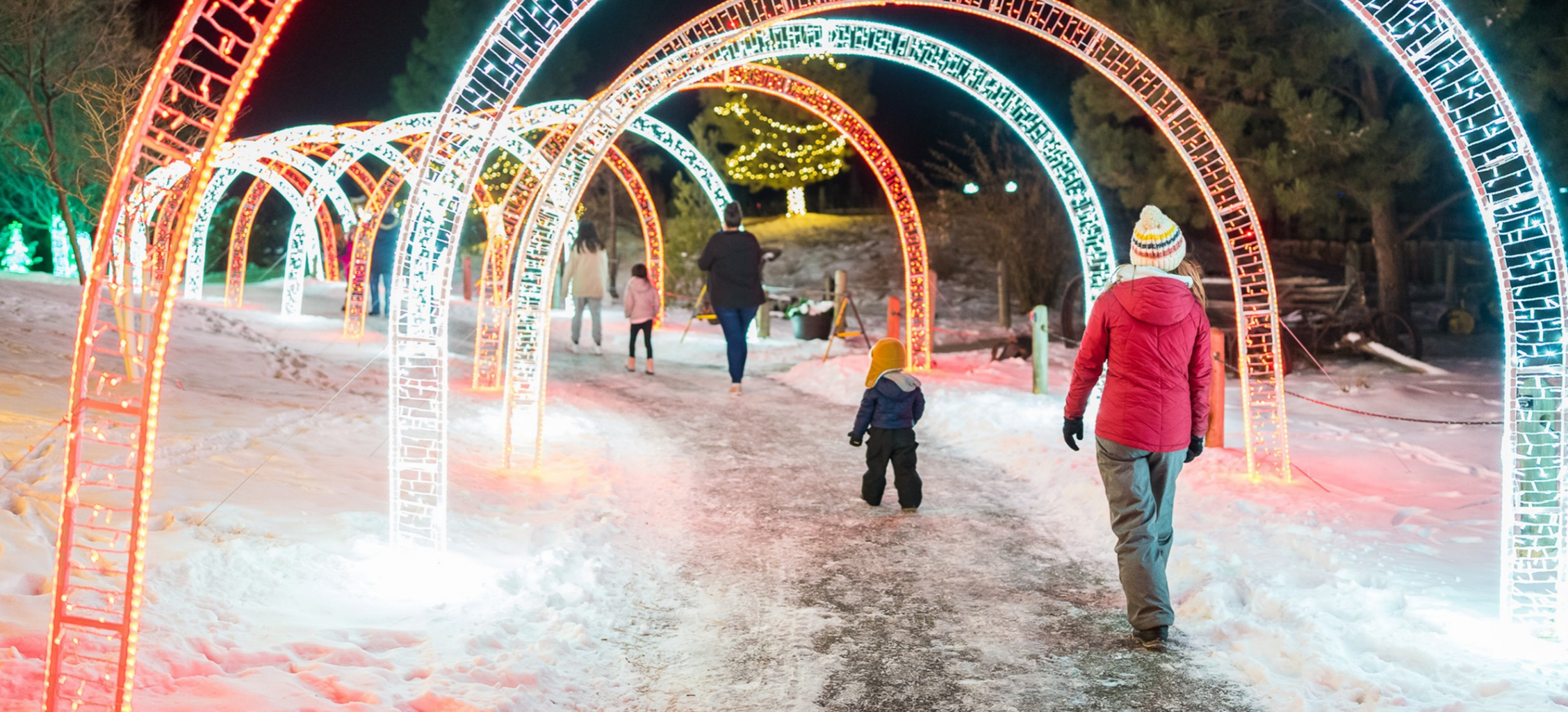
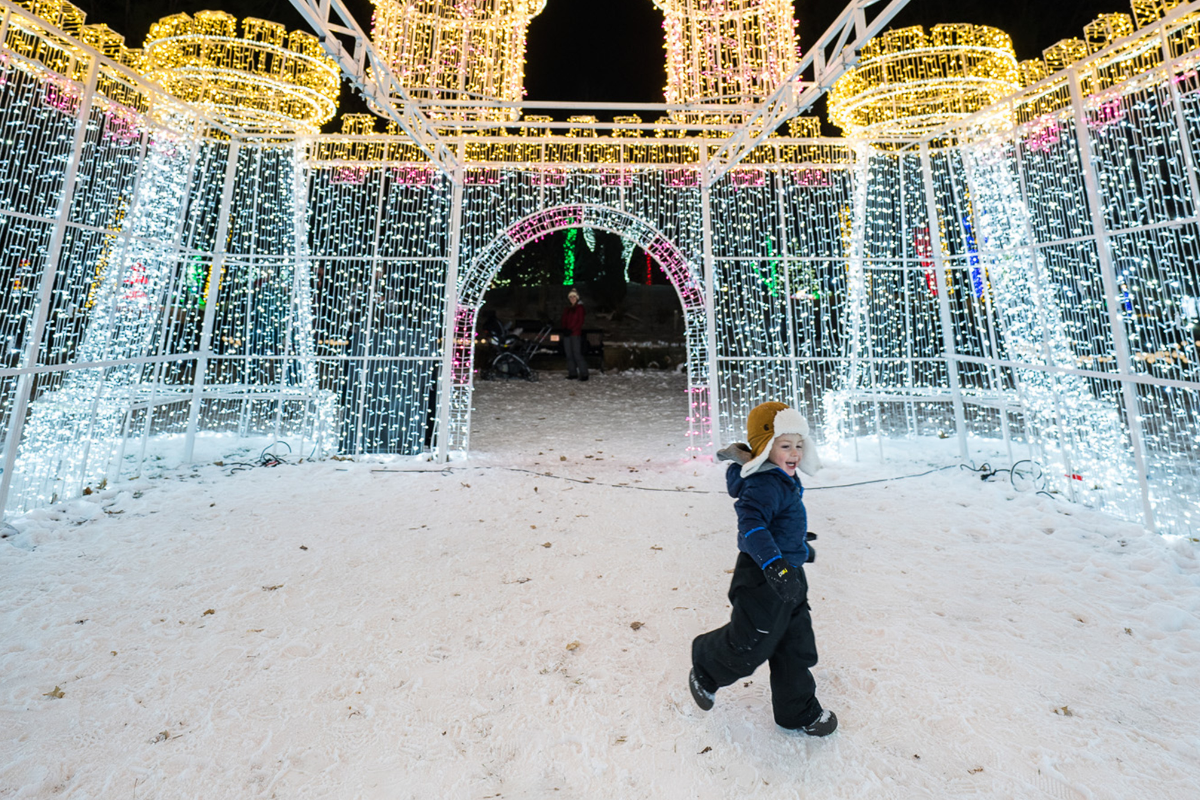
Holiday Nights at ZooMontana | Nov 27 – Dec 31 – Experience the magic as ZooMontana transforms into a winter wonderland of family-friendly fun and festive cheer with massive holiday displays, roaming Christmas characters, and over 15 million twinkling lights.
Festival of Trees | Dec 3 – 5 – Wander rows of creatively decorated Christmas trees at MetraPark, alongside holiday shopping and live entertainment all weekend long.
Downtown Holiday Stroll | Dec 4 – Stroll local shops, galleries, and businesses decked out in holiday décor, along with live music, carolers, hot cocoa, and more.
WinterFair Arts & Crafts Market | Dec 4 – Visit the Yellowstone Art Museum as it doubles as a holiday market, with local artists and makers offering one-of-a-kind gifts.
Along with a full calendar of holiday outings, Billings brings that same festive spirit to the stage as well. Alberta Bair Theater and other local venues will host everything from beloved holiday classics to fresh takes on familiar favorites this season.
Swan Lake | Nov 1 – Experience Tchaikovsky’s timeless ballet brought to life by World Ballet Company with graceful choreography, dramatic storytelling, and a live orchestra.
The WIZ | Nov 9 – Follow the yellow brick road as this legendary Broadway show takes you through a vibrant, soul-infused twist on The Wizard of Oz.
A Celtic Christmas | Nov 12 – Add some Irish flair to the season with lively Celtic tunes, spirited dance, and festive traditions by A Taste of Ireland.
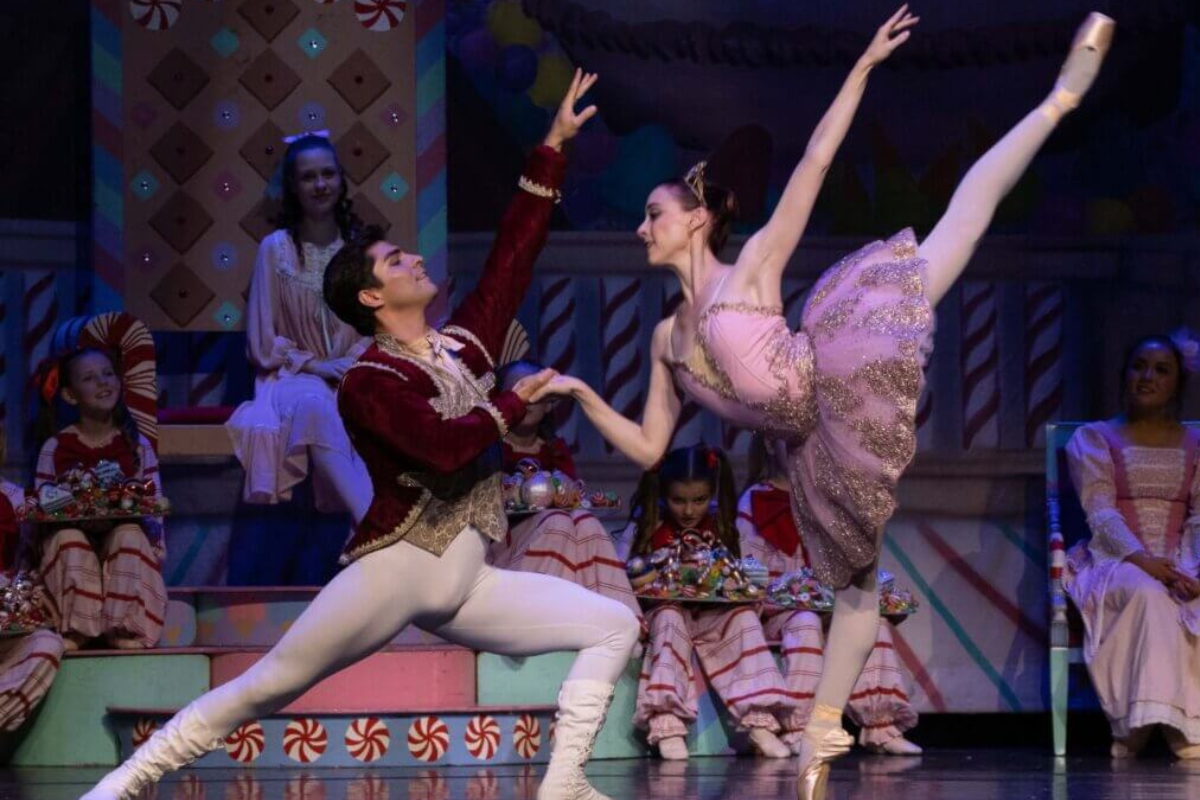
The Nutcracker Ballet | Nov 28 – 29 – Make room for dancing snowflakes, a sugar plum fairy, and a holiday score you know by heart: this timeless ballet is a seasonal favorite for a reason.
A Christmas Carol | Dec 14 – Celebrate the holidays with the timeless story of Ebenezer Scrooge as A Christmas Carol brings Dickens’ beloved classic to the stage.
From classic rock anthems to modern country, there are some familiar names making their way to Billings this December.
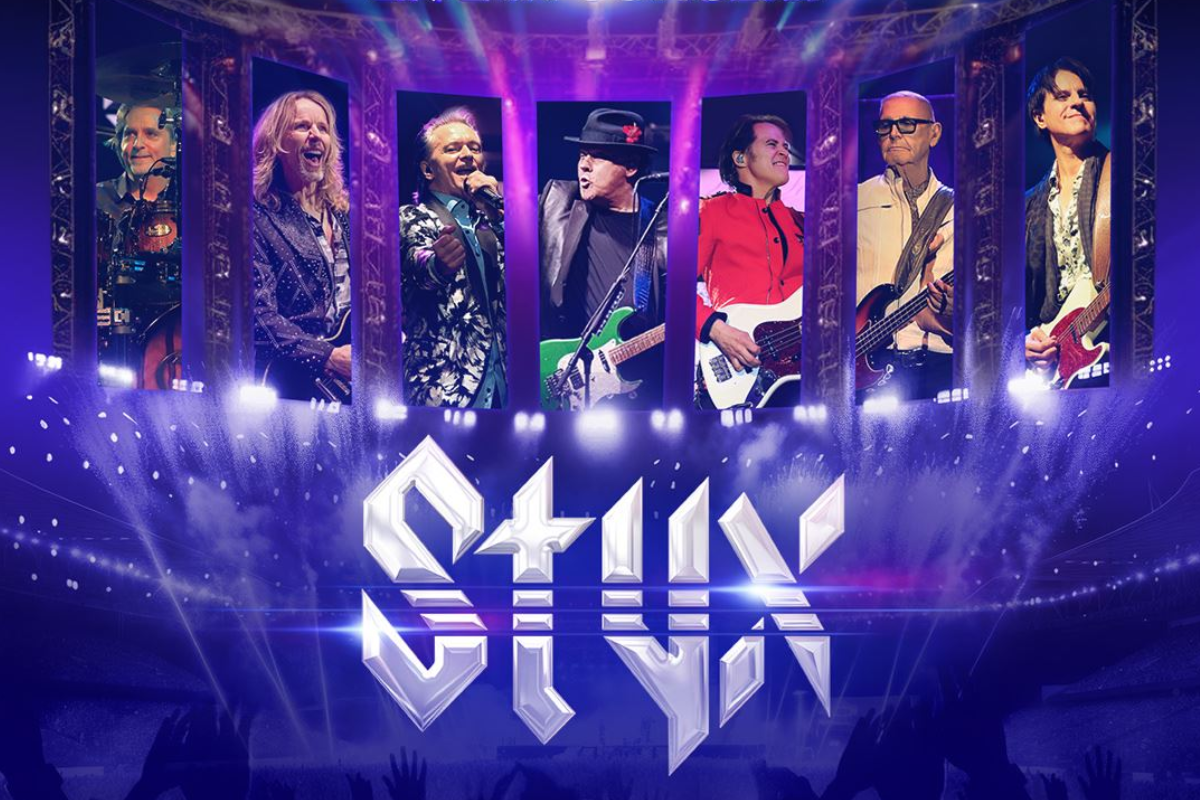
Styx | Dec 4 – Sing along with legendary rock band Styx as they bring decades of hits to First Interstate Arena at MetraPark.
Chancey Williams | Dec 17 – Catch the Wyoming-born country artist live at The Pub Station for a night of country music with a Western edge.
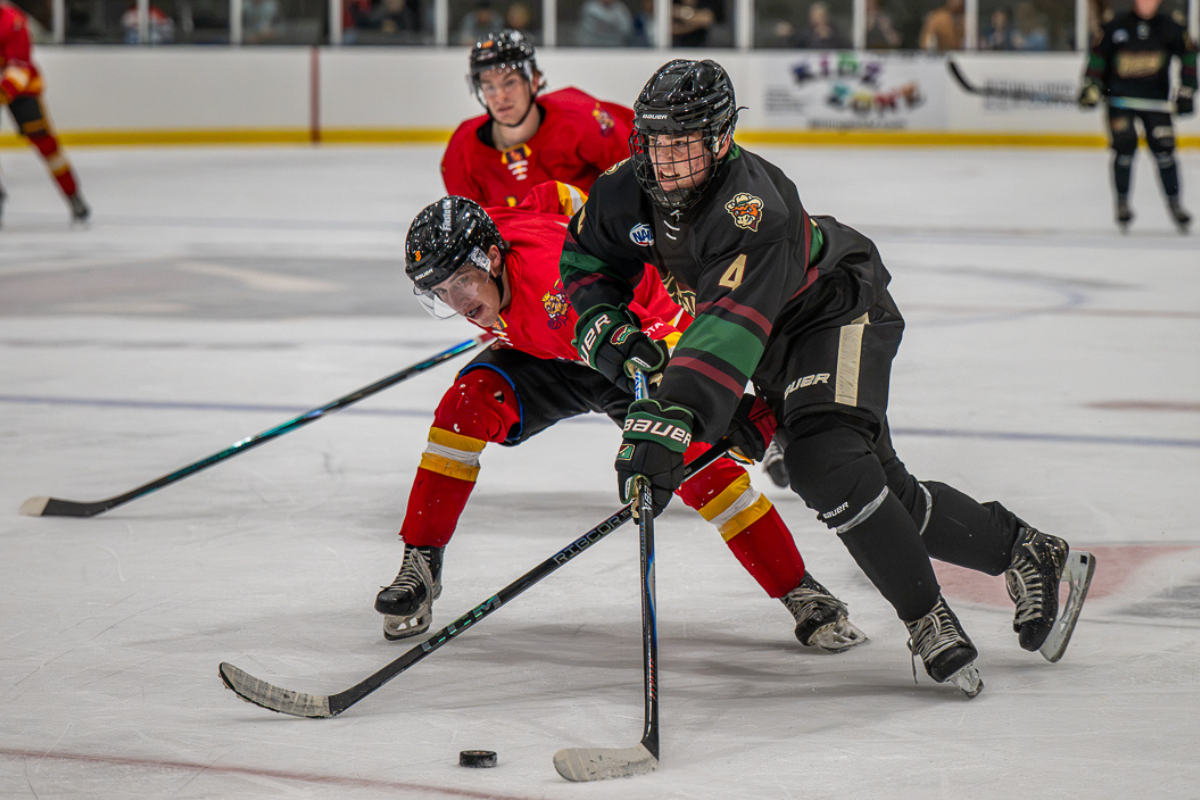
Holiday season in Billings isn’t all twinkling lights (although we’re not complaining). There’s still room for a little action.
Chase Hawks Rough Stock Rodeo | Dec 19 – Close out rodeo season with top PRCA competitors and some of the toughest bucking stock around at this annual rough stock rodeo.
Cattle Punchers Hockey | Various dates – Add a little rink-side excitement with NAHL junior hockey at the newly opened Signal Peak Energy Arena.
Ready to turn an event into a Billings getaway? Whether you’re looking for holiday traditions, a concert, or rodeo weekend, there’s plenty to build a trip around. Browse the full events calendar to find even more ways to fill your itinerary.